

Standard Paragliders & XC Wings
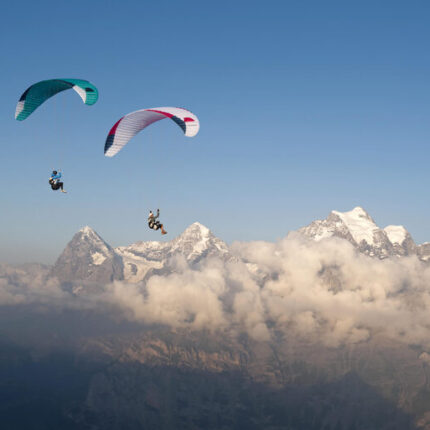
The essence of free flight. Full-size, double-surface wings designed for thermal efficiency, soaring, and cross-country distance. Optimised for glide performance and climbing capability.
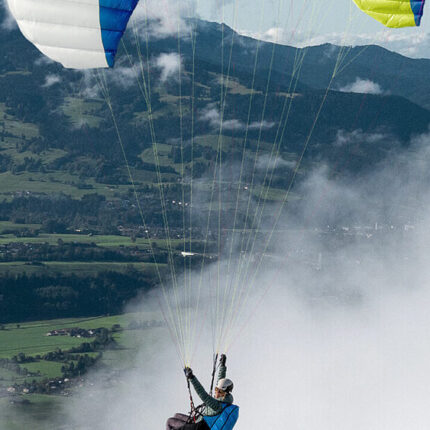

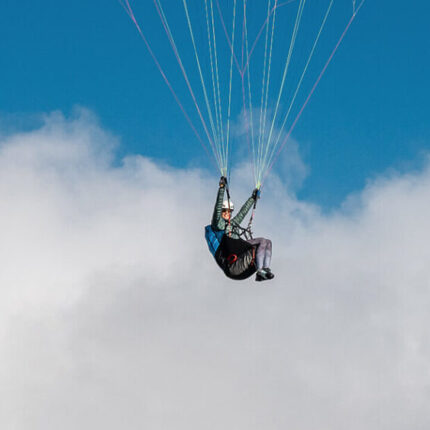

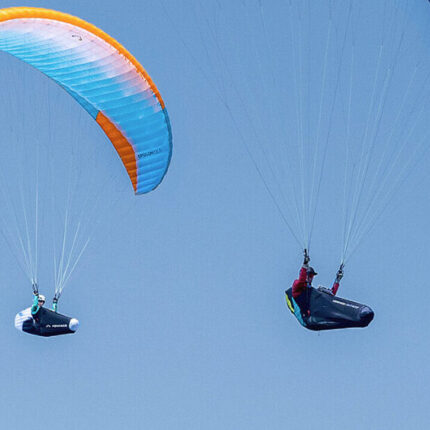
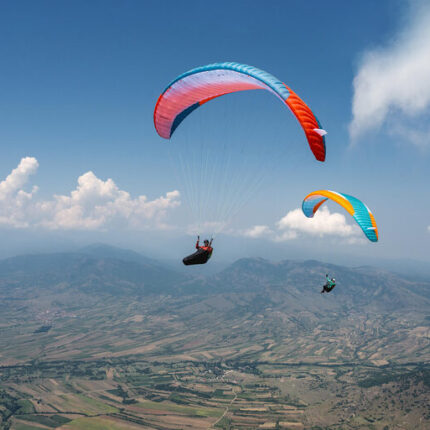

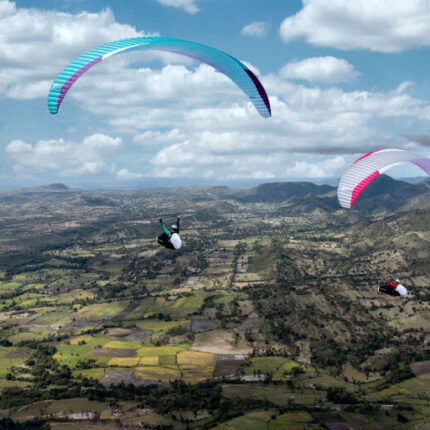
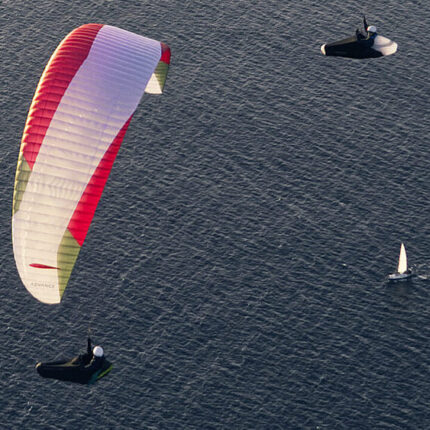
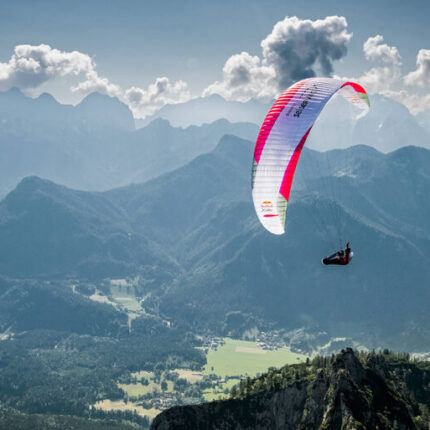
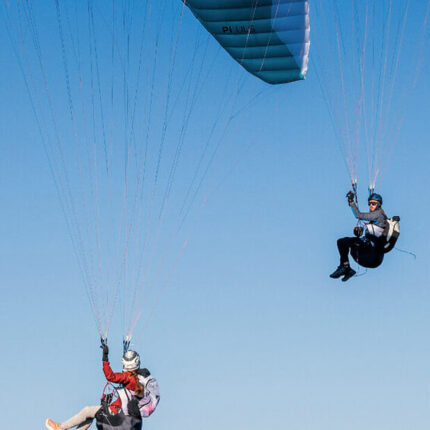
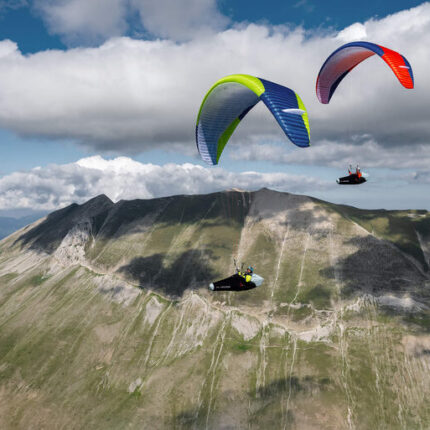
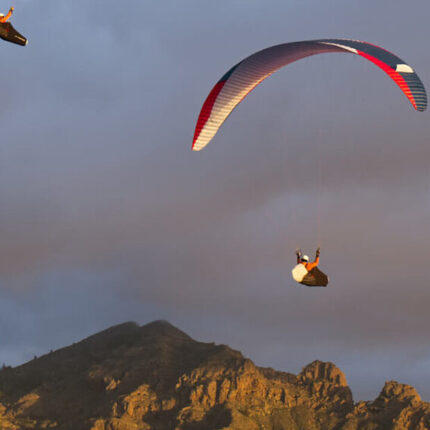
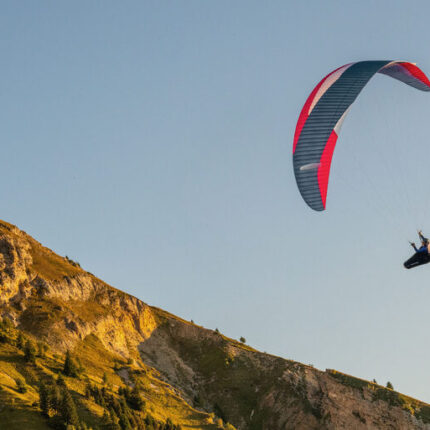
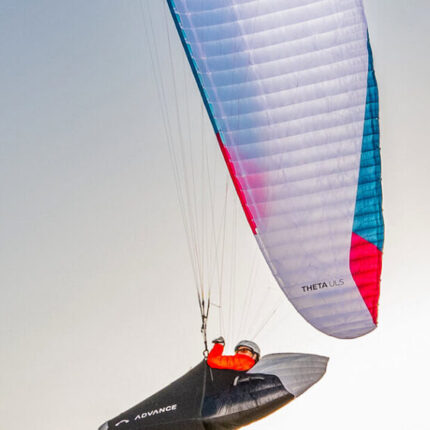

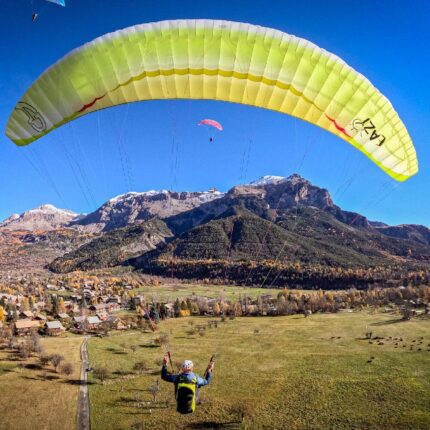
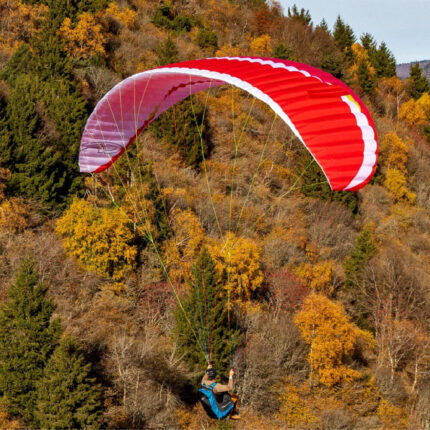
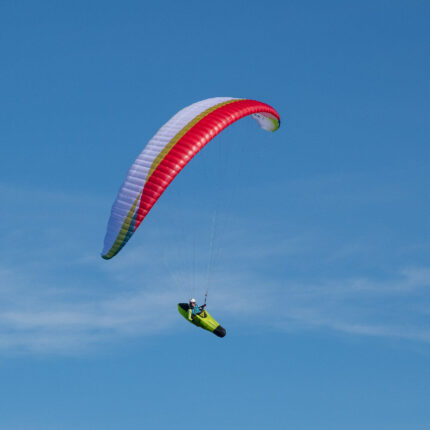
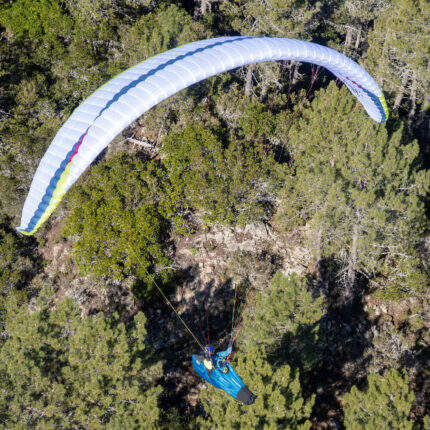
What defines a Standard Paraglider?
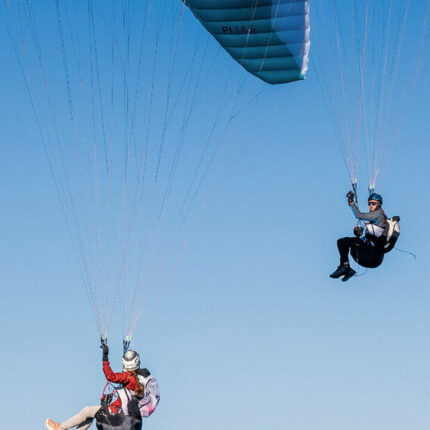
In a world of specialized equipment, the Standard Paraglider remains the core of the sport. Unlike Mini-Wings (designed for speed/descent) or Single Skins (designed for lightness), a standard paraglider is engineered for Efficiency.
-
Double Surface: Air enters the leading edge to pressurize the wing, creating a smooth aerofoil shape on both top and bottom. This reduces drag and provides the lift needed to climb in weak thermals.
-
Surface Area: Typically ranging from 22m² to 30m², providing a sink rate low enough (approx. 1.0 - 1.2 m/s) to stay airborne in light lift.
The Pursuit of Glide
The primary metric for a standard paraglider is Glide Ratio (e.g., 9:1 or 10:1). This determines how far you can fly for every meter of height lost. Whether you are a beginner on an EN-A or an expert on an EN-D, standard wings are built to help you cross valleys, reach cloudbase, and fly cross-country (XC) distances.
Thermal Flying & Soaring
If your goal is to stay up for hours, this is the category for you.
-
Thermalling: The larger surface area and span allow for flat, efficient turns that maximize lift in rising air columns.
-
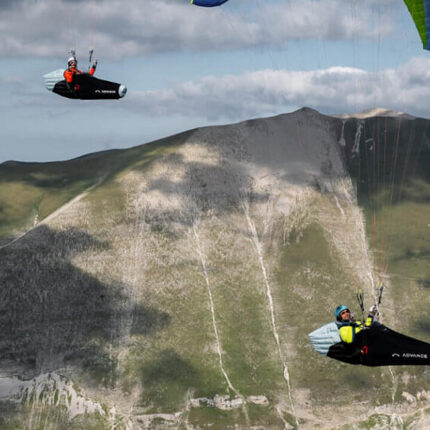
Soaring: In ridge lift, a standard paraglider offers the best "floatability," allowing you to stay aloft in lighter winds than a mini-wing could manage.
Sizing is Critical
Standard paragliders must be flown within their Certified Weight Range.
-
Too Light: You risk collapses and slow forward speed, making it hard to penetrate wind.
-
Too Heavy: You increase sink rate and landing speed, struggling to climb in weak lift.
-
Always calculate your All-Up Weight (Pilot + Wing + Harness + Clothes + Water) before purchasing.
Modern Tech
Even "standard" wings are now packed with technology previously reserved for competition gliders, such as Shark Nose profiles (for stability at speed), 3D Shaping (for cleaner aerodynamics), and complex internal structures to maintain the wing's shape during accelerated flight.